Stage trusses provide a strong and adaptable foundation for lighting, audio, and visual equipment, ensuring safety and reliability during events.
Different truss shapes, like triangular and heavy-duty, offer unique benefits for load distribution and stability, allowing for customized setups.
Using modular truss systems enhances flexibility and speeds up setup and teardown, making them ideal for various event types.
Safety checks and proper installation are crucial for ensuring the stability of truss systems, protecting both equipment and audience.
Lighting trusses not only support equipment but also elevate the visual appeal of events, creating a professional atmosphere.
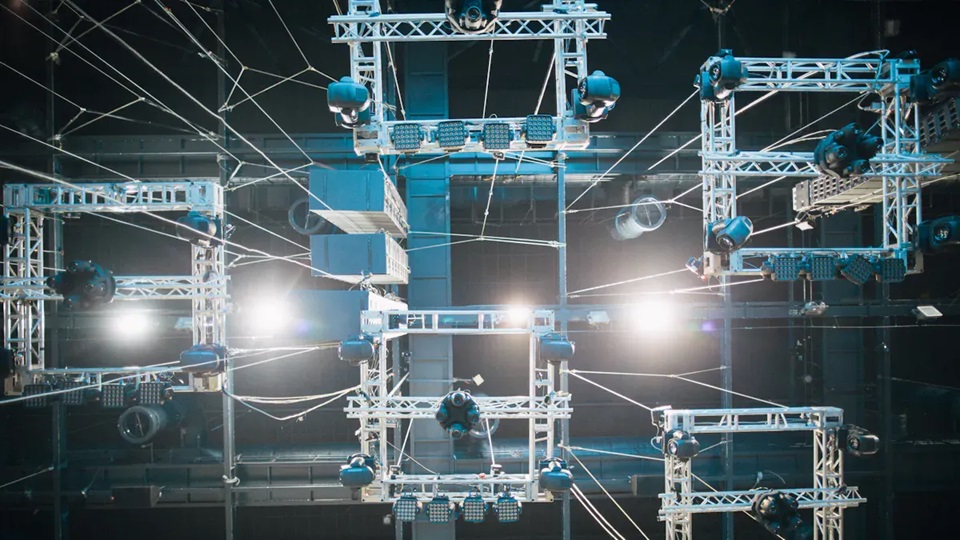
You use a stage truss as the backbone of your event setup. This engineered framework creates a reliable platform for mounting lighting, audio, and visual equipment. You see stage trusses in concerts, theatrical productions, trade shows, and corporate events. Their primary structural functions include:
Providing a strong foundation for performances and accommodating lighting and sound equipment.
Supporting dynamic sets and scene changes in theatrical productions.
Creating visually appealing displays and showcasing products at exhibitions.
Offering a polished platform for presentations and branding at conferences.
Securing mounting for equipment in broadcast and media productions.
Serving as focal points for performances and lighting in nightclubs.
Withstanding weather and providing stable platforms at outdoor festivals.
Adding sophistication and allowing creative customization at weddings and special events.
Enhancing visibility and branding opportunities at product launches.
Serving as versatile platforms for student showcases in educational institutions.
You rely on stage truss systems to deliver strength, adaptability, and visual impact. The main function centers on load support and movement, ensuring your equipment stays secure and your production runs smoothly.
You select materials for your stage truss based on strength, weight, and durability. Most trusses use aluminum or steel. Aluminum offers a high strength-to-weight ratio, making it easy to transport and install. Steel provides maximum strength for heavy-duty applications.
Trusses are made up of interconnected triangles that distribute weight and stress evenly across the structure, making it both strong and lightweight. This design is crucial for supporting lighting, sound, and video equipment in event production, ensuring reliability and safety.
You choose from several structural shapes to match your production needs:
Deco Truss: Lightweight and decorative, suitable for small loads.
Triangular Truss: Excellent load distribution, fits in tight spaces.
Ladder Truss: Simple design, cost-effective for lighter applications.
Square Truss: Robust support for heavy loads and versatile configurations.
Heavy Duty Truss: Maximum strength for large-scale events.
You benefit from the triangular shape, which prevents sagging and structural issues by evenly distributing loads. Trusses utilize axial tension or pressure under load, maximizing material strength and reducing self-weight. You achieve a balance between strength and flexibility, allowing you to create safe and visually impressive setups for any event.
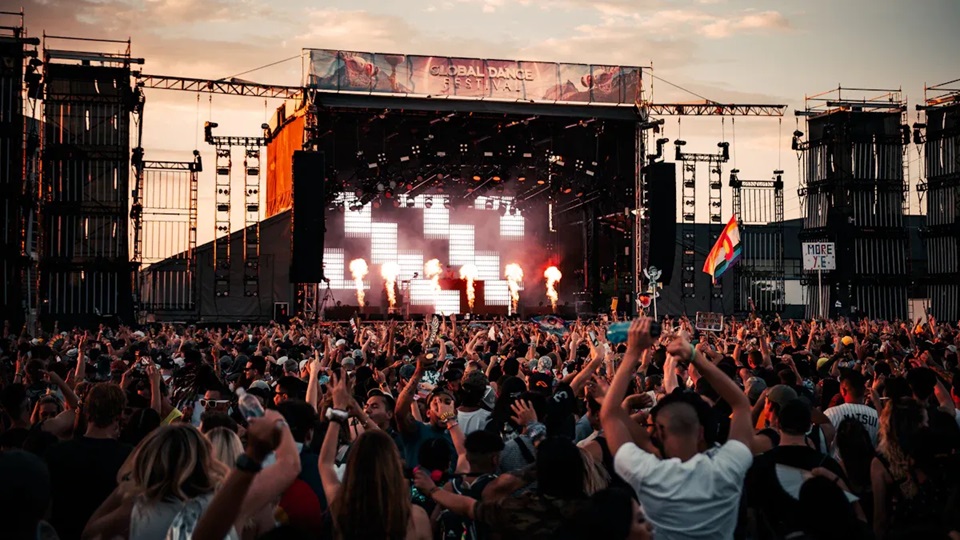
You depend on a stage truss to create a reliable foundation for your lighting and audio systems. In large-scale events, you often need to hang LED fixtures or automated lights at precise angles. A lighting truss gives you the flexibility to position these fixtures exactly where you want them. You see this setup in theaters, concerts, trade shows, arenas, and stadiums. The stage truss supports heavy staging equipment, making it essential for deploying lighting and sound gear safely and efficiently. You can use this system for concerts, corporate events, weddings, and special events. The durable framework holds your lighting and sound equipment securely, allowing you to focus on delivering a seamless performance.
Hang LED or automated fixtures at optimal heights
Support heavy staging equipment for concerts and trade shows
Provide a versatile foundation for lighting and sound setups
You use a stage truss to rig video screens and special effects, ensuring both safety and optimal viewing. Industry standards require you to follow strict safety measures and best practices. The table below outlines key considerations:
|
Safety Measures |
Optimal Practices |
|---|---|
|
Reinforced Ground Support |
Avoid Glare & Reflection |
|
Wind Load & Weather Protection |
Maximize Viewing Angles |
|
Secure Cabling & Power Supply |
Integrate Stage Lighting |
You achieve professional results by reinforcing ground support, protecting against weather, and securing all cabling. You also maximize viewing angles and integrate lighting for a dynamic visual experience.
You maximize your event space by using a stage truss system. The modular framework supports lighting, sound, and video displays above the stage, freeing up valuable floor area. You can quickly modify the configuration to fit different event needs, which enhances layout flexibility. Rapid setup and tear-down reduce downtime between events, making your venue more efficient. Motorized truss systems allow you to move staging equipment with precision, enabling dynamic transitions without major physical changes.
Optimize vertical space and keep the floor clear
Adapt layouts quickly for different events
Improve operational efficiency with fast setup and tear-down
You gain unmatched flexibility when you use a lighting truss system for your event. The modular nature of stage truss structures lets you create eye-catching stage designs that match your vision. You can select from decorative, triangular, or heavy-duty options to fit the unique requirements of your venue. Lighting truss systems allow you to mount lighting, video walls, audio gear, and custom signage, giving you the freedom to adapt layouts for concerts, trade shows, or corporate presentations. You can even shape lighting truss setups into arches, grids, or hexagons to match your theme. Renting aluminum trusses offers cost-effectiveness and access to premium equipment, making it easy to achieve professional setups without a large investment.
|
Benefit |
Description |
|---|---|
|
Cost-Effectiveness |
Renting aluminum trusses saves on upfront costs, ideal for one-time events. |
|
Access to Premium Equipment |
Renting provides access to high-quality trusses without long-term investment. |
|
Flexibility in Design |
A variety of truss options allows for customized setups, enhancing event aesthetics. |
|
Professional Setup |
Expert installation and teardown services ensure a hassle-free experience for event organizers. |
You ensure safety and stability with modern lighting truss systems. These structures use load distribution technology, quick-connect assembly systems, and brake redundancy to protect your equipment and your audience. Load sensors monitor weight, keeping the system within safe limits. Travel limiters prevent movement beyond designated boundaries, reducing risks during operation. You can trust lighting truss setups to provide reliable support for heavy lighting and audio gear, even in challenging environments.
|
Safety Feature |
Description |
|---|---|
|
Load Distribution Technology |
Employs a network of support points to efficiently distribute weight, enhancing stability. |
|
Quick-Connect Assembly System |
Allows for rapid assembly with visual indicators for proper connections, ensuring safety during setup. |
|
Brake Redundancy |
Provides an additional layer of safety to prevent failures during operation. |
|
Load Sensors |
Monitors weight to ensure the system operates within safe limits. |
|
Travel Limiters |
Prevents movement beyond designated limits, enhancing operational safety. |
Tip: Always check the load sensors and assembly connections before your event starts. This simple step increases safety and prevents unexpected issues.
You elevate the visual appeal of your event with lighting truss systems. The sleek, modern look of lighting trusses creates a professional atmosphere and supports advanced lighting and banners for dynamic displays. You can use lighting truss setups to highlight performers, showcase branding, or create immersive environments. The intentional design of lighting truss structures shapes audience perception, making your event feel polished and engaging. You deliver a memorable experience that stands out in the minds of your guests.
Lighting trusses provide a modern, professional appearance.
You install stage lighting and banners for dynamic visual displays.
Lighting truss systems support advanced sound and lighting, enhancing audience engagement.
You use stage truss solutions to create a safe, flexible, and visually impressive event. Lighting truss setups help you achieve a higher level of professionalism and audience satisfaction.
You select from a variety of truss shapes to match your event requirements. Each design offers unique advantages for supporting lighting, audio, and visual elements. The most popular shapes include:
Triangle truss: You use this for medium-sized lighting setups and equipment suspensions. Its geometric structure provides excellent load distribution and fits well in tight spaces.
Box truss: You rely on this for heavy lighting rigs and sound equipment. Its robust design supports versatile configurations and ensures stability.
Ladder truss: You choose this for lighter applications, such as hanging curtains or small lights.
Deco truss: You install this for decorative purposes, often in trade shows and small theater productions.
Heavy duty truss: You deploy this for demanding applications, supporting the heaviest loads.
Fan truss: You use this for circular structures and unique roof designs.
Scissor truss: You select this for cathedral ceilings and decorative installations.
Truss designs optimize floor space and enhance guest safety. You clear pathways and prevent hazards, such as twisted wires, by elevating equipment. The choice of aluminum or steel impacts durability and portability, allowing you to adapt to different venues.
You decide between modular and custom truss systems based on your event needs. Modular systems offer flexibility and efficiency, while custom solutions provide tailored configurations. The table below highlights key advantages:
|
Advantage |
Description |
|---|---|
|
Safety |
Engineered for secure setups at large-scale events. |
|
Quick Assembly |
Designed for rapid assembly, reducing setup time. |
|
Versatility |
Reliable bolt-connection system allows for various configurations and uses. |
You benefit from modular systems that can be configured in multiple ways. You tailor these setups to specific production needs and transport them easily between venues.
Tip: Modular truss systems improve adaptability and speed, making them ideal for events with tight schedules.
You adapt your truss selection for indoor or outdoor environments. Indoor trusses focus on aesthetics and integration with venue architecture. You prioritize lightweight materials and compact designs. Outdoor trusses require weather resistance and robust construction. You choose heavy-duty options to withstand wind and rain, ensuring safety and reliability. You achieve seamless integration by matching the truss system to the event location and production demands.
You start by defining your event’s goals and technical requirements. Consider the venue size, audience capacity, and the type of equipment you need to support. You work with designers to create a layout that maximizes visibility and safety. Event requirements shape your approach in several ways:
Versatility: You configure truss systems to fit concerts, corporate events, or exhibitions.
Customizability: You tailor the structure to hold lighting, speakers, or video walls.
Aesthetics: You select designs that enhance the atmosphere and match your event’s theme.
You review blueprints and 3D models to visualize the final setup. This step helps you identify potential challenges and plan for efficient installation.
You assemble the truss system using modular components. Follow manufacturer guidelines for each connection. Use certified rigging hardware and inspect every joint for stability. Safety checks play a critical role in your process. You verify load limits and ensure all equipment is securely attached. Trained technicians test the system before you add lighting or audio gear. You document each step to maintain compliance with industry standards.
Tip: Always conduct a final walk-through with your team. This practice helps you catch overlooked details and ensures a safe environment for everyone.
You coordinate with lighting, audio, and video teams to integrate the truss system into your production schedule. Share your plans early to avoid conflicts and streamline setup. You adjust the truss layout as needed to accommodate last-minute changes. Communication keeps your event on track and minimizes downtime. You monitor the system throughout the event, ready to address any issues quickly. This proactive approach supports a seamless experience for both performers and guests.
You shape unforgettable events by choosing the right truss system. Event professionals value these structures for their stability, flexibility, and visual impact. Review the long-term benefits below:
|
Benefit Description |
|---|
|
Essential support for stages and equipment |
|
Dynamic lighting and improved sound distribution |
|
Enhanced event aesthetics and professional displays |
|
Secure rigging for special effects and branding |
|
Modular design for easy reconfiguration |
You can expect future advancements in event technology, including lightweight materials, modular systems, LED integration, automation, and 3D-printed components. Stay ahead by exploring these innovations for your next production.
You benefit from aluminum truss systems because they offer high strength with low weight. This makes transport and installation easier. Aluminum also resists corrosion, which increases durability for both indoor and outdoor events.
You always follow manufacturer guidelines and use certified rigging hardware. You inspect every connection before use. Trained technicians check load limits and monitor the system throughout the event.
Tip: Schedule regular safety checks to prevent accidents and protect your team.
Yes, you can customize stage truss systems. Modular components let you create arches, grids, or unique shapes. You can adjust the layout to fit your event’s theme or technical needs.
You can hang lighting fixtures, speakers, video screens, banners, and special effects equipment. Always check the truss’s load rating before adding gear.
|
Equipment Type |
Common Uses |
|---|---|
|
Lighting Fixtures |
Stage illumination |
|
Speakers |
Audio distribution |
|
Video Screens |
Visual displays |
|
Banners |
Branding |